

What is Contract Management and Why It Matters
Contract management organizes agreements to safeguard business interests and compliance.

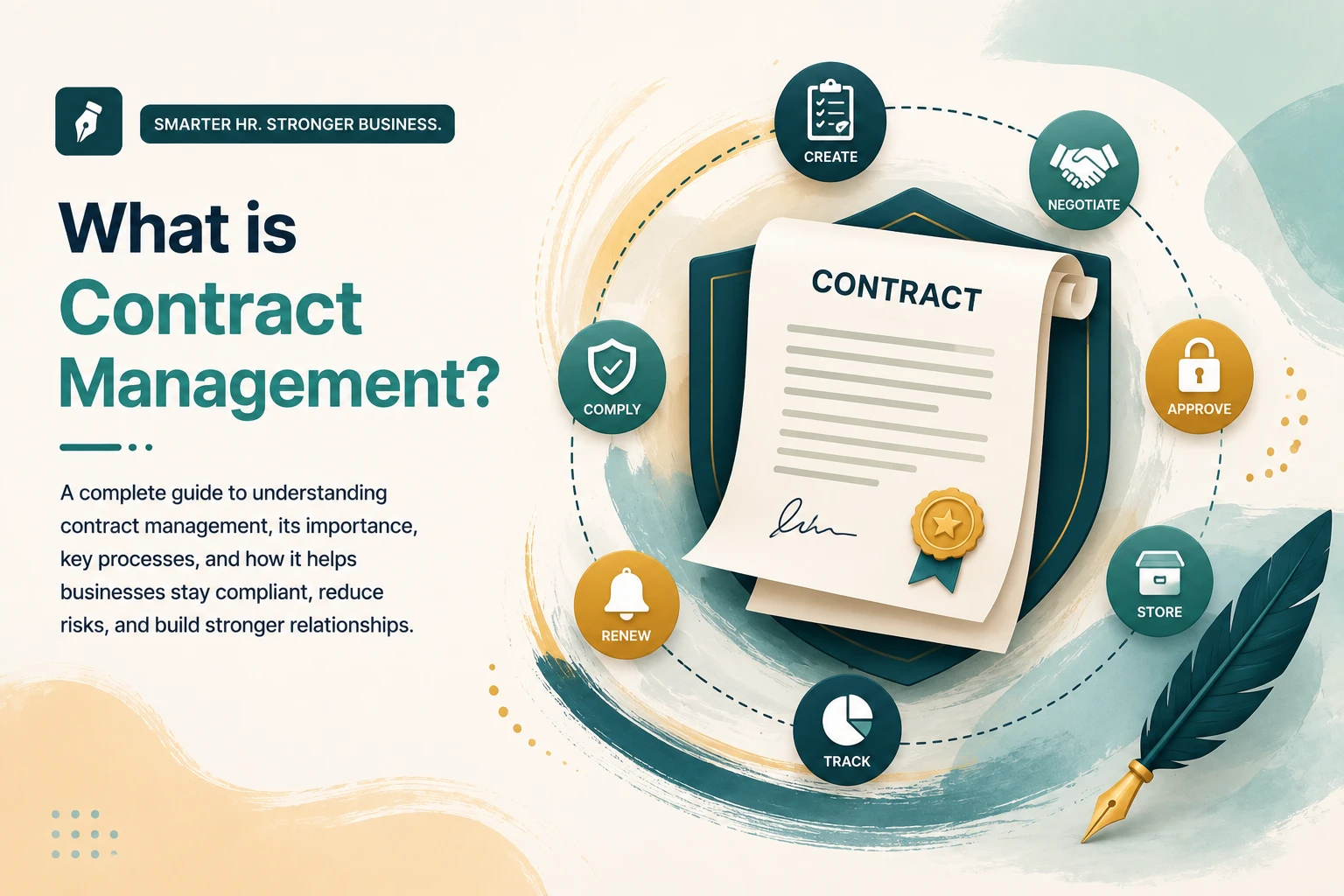
What is Contract Management?
Contract management is the process of creating, executing, and monitoring agreements to ensure that all parties meet their obligations efficiently. It covers the entire contract lifecycle – from drafting and negotiation to signing, performance tracking, and renewal or closure.
By implementing an effective system for handling contracts, businesses can reduce risks, ensure compliance, prevent disputes, and maximize the value of their agreements. Modern solutions often include software that automates workflows, tracks deadlines, securely stores documents, and provides analytics to support smarter decision-making.
Why is Contract Management Important?
Efficient handling of business agreements is vital for organizations of all sizes. It ensures contracts are correctly created, executed, and monitored, minimizing risks and preventing costly disputes. A structured process also streamlines workflows, strengthens compliance, and maintains accountability across teams.
- Ensures Compliance: Helps meet legal, regulatory, and internal policy requirements.
- Reduces Risks: Minimizes financial, operational, and legal risks associated with contracts.
- Optimizes Resources: Tracks obligations and deadlines, preventing wasted time and resources.
- Improves Efficiency: Automates repetitive tasks with a contracts management system or contract management software.
- Enhances Accountability: Provides visibility into who is responsible for contract performance.
- Maximizes Value: Ensures contracts deliver expected benefits and protect business interests.
Streamline Contracts with WorkDo’s HRMS
WorkDo’s HRMS revolutionizes contract management by integrating seamless tools for HR teams to handle employee contracts, vendor agreements, and compliance documents efficiently. As a comprehensive HR software solution tailored for Indian businesses, WorkDo automates the entire contract lifecycle within its unified platform, ensuring compliance with local labor laws, GST regulations, and Shops & Establishments Acts.
Key WorkDo Features for Contract Management
- Centralized Contract Storage: Securely store all employee offer letters, NDAs, probation contracts, and vendor agreements in one dashboard-accessible repository, with role-based permissions to prevent unauthorized access.
- Automated Reminders & Renewals: Set smart alerts for contract expirations, probation reviews, and renewals directly in WorkDo, reducing manual tracking and ensuring timely actions to avoid compliance penalties.
- Custom Templates & E-Signatures: Use pre-built, customizable templates for appointment letters, freelance contracts, and service agreements. Built-in e-signature capabilities enable instant digital approvals, eliminating paper-based delays.
- Approval Workflows: Streamline multi-level reviews with automated routing to legal, finance, and HR approvers, complete with audit trails for full transparency and accountability.
- Payroll & Compliance Linking : Sync contract terms with WorkDo’s payroll module for automatic updates to salary, benefits, and deductions. Real-time compliance checks align with Indian statutory requirements like PF, ESI, and TDS.
- Analytics & Reporting: Generate insights on contract performance, renewal trends, and risk areas via customizable dashboards, empowering data-driven decisions for HR leaders.
What is a Contract Lifecycle Management Process?
A Contract Lifecycle Management process is the structured approach to managing contracts from initiation to expiration. It ensures contracts are efficiently created, executed, monitored, and renewed or closed, maximizing compliance, reducing risks, and improving business value.
Contract Request
This stage involves identifying the need for a new contract or amendment. Employees or departments submit a formal request with details such as parties involved, contract type, and objectives. A proper request ensures all contracts align with organizational policies and strategic goals, preventing unnecessary or duplicate agreements.
Drafting & Authoring
During drafting, contracts are created using standard templates and legal guidelines. Clauses, terms, and conditions are carefully outlined to protect the organization’s interests. This stage often involves collaboration between legal teams, finance, and operations to ensure accuracy, clarity, and enforceability of the contract.
Negotiation & Approval
Negotiation involves discussing terms with stakeholders, vendors, or clients to reach mutually acceptable agreements. The approval process ensures the contract meets compliance standards, internal policies, and risk management requirements. Multiple rounds of revisions may occur to clarify responsibilities, deadlines, and penalties for non-compliance.
Execution
Execution is the formal signing of the contract, either digitally or physically, making it legally binding. Modern contract management systems offer e-signature capabilities, secure storage, and verification features to ensure authenticity, streamline the process, and reduce delays associated with manual signing.
Obligation & Performance Management
Once executed, contracts are actively monitored for compliance and performance. Key deliverables, deadlines, milestones, and financial obligations are tracked. This stage ensures that both parties fulfill their responsibilities, prevents missed obligations, and allows timely interventions if issues arise, improving efficiency and accountability.
Renewal or Termination
Contracts are evaluated before expiration to decide whether to renew, renegotiate, or terminate. Renewal decisions are based on performance metrics, business needs, and strategic value. Termination is handled carefully to avoid disputes, ensure compliance, and properly document closure . Proper management at this stage prevents losses and strengthens business relationships.
Using a contracts management system or contract management software throughout the CLM process helps automate workflows, set reminders for key dates, maintain a centralized repository, and generate performance reports, ensuring contracts deliver maximum value and minimize risks.
Who Benefits from Automating Contract Management?
Automating contract processes offers significant advantages for organizations of all sizes, industries, and departments. It streamlines workflows, minimizes manual errors, enhances compliance, and ensures agreements are executed efficiently. Different stakeholders such as legal, procurement, and finance teams experience unique benefits, making automated contract solutions a valuable tool for modern business operations.
Small Business Owners
Small business owners often struggle with limited resources and time. Automating contracts allows them to create, track, and store agreements efficiently without the need for extensive administrative support. This ensures that they can focus on growth and core business activities while maintaining legal compliance and avoiding missed deadlines.
Large Enterprises
Large organizations manage thousands of contracts across multiple departments, locations, and subsidiaries. Automation provides centralized control and visibility, enabling enterprises to monitor obligations, track renewals, and analyze performance across the entire contract portfolio. This reduces risks, prevents bottlenecks, and supports strategic decision-making on a large scale.
Legal Departments and Compliance Officers
Legal teams and compliance officers benefit from automation by streamlining contract review, approval, and audit processes. A contracts management system ensures that agreements adhere to internal policies and regulatory requirements, minimizing legal risks and providing a clear audit trail for accountability.
Sales and Procurement Teams
Sales and procurement teams manage client agreements, vendor contracts, and supplier obligations. Automating contracts allows them to track deadlines, approvals, and deliverables in real time. This reduces delays, prevents missed obligations, and ensures smoother negotiations, ultimately improving business relationships and revenue management.
Finance Departments
Finance teams gain visibility into contract terms, payment schedules, and budgets. Automation reduces errors in billing, invoicing, and financial reporting while improving cash flow management. By integrating contracts with financial systems, organizations can ensure accurate forecasting and compliance with financial regulations.
Operations Teams
Operations teams rely on contracts for service delivery, project management, and operational compliance. Automated tracking ensures that all contractual obligations, deadlines, and service-level agreements are met, reducing operational disruptions and enhancing overall efficiency.
Executive Leadership
Executives and decision-makers benefit from centralized reporting and analytics. Real-time insights from a contract system enable leadership to evaluate performance, identify risks, and make strategic decisions that drive growth while maintaining accountability across all departments.
Automating contract processes benefits every level of an organization. It enhances workflow efficiency, strengthens compliance, reduces operational and legal risks, and improves transparency. From small business owners to executives, each stakeholder gains tools to manage agreements effectively, maximize value, and support overall organizational success.
How to Successfully Use Contract Management in Your Industry
Successfully handling contracts in your industry requires a structured approach, the right tools, and best practices tailored to your business needs. By following a clear process, companies can streamline operations, reduce risks, and ensure compliance.
Key Steps to Implement Contract Management Effectively:
- Understand Industry Requirements: Different industries have unique contract obligations. Knowing the legal, operational, and compliance requirements specific to your sector ensures contracts are accurate and enforceable.
- Centralize Contracts: Use a contracts management system to store all agreements in one secure location. Centralization improves visibility, access, and tracking, reducing missed deadlines or lost contracts.
- Standardize Templates and Processes: Create standard contract templates and define approval workflows. This ensures consistency, faster processing, and easier compliance monitoring across departments.
- Automate Workflows: Leverage contract management system software to automate approvals, notifications, and renewals. Automation reduces manual errors, saves time, and keeps stakeholders informed.
- Monitor Performance and Compliance: Track deadlines, deliverables, and contract obligations continuously. Real-time monitoring helps identify potential issues early, ensuring contracts are fulfilled correctly.
- Analyze Data for Decisions: Use reporting and analytics to assess contract performance, identify trends, and make informed decisions on renewals, negotiations, and resource allocation.
- Train Teams and Collaborate: Educate legal, finance, operations, and procurement teams on contract management best practices. Collaboration ensures all stakeholders understand responsibilities and deadlines.
- Review and Update Regularly: Regular contract reviews ensure compliance with changing laws, industry standards, and business needs. Updates reduce disputes and keep agreements aligned with strategic goals.
Common Challenges of Contract Management
Many businesses in India and globally face significant challenges in managing contracts efficiently, which can impact compliance, risk management, and operational performance. Some of the most common obstacles include:
Contract Mismanagement and Compliance Risks
Without a proper contract management system , companies face high exposure to legal and regulatory risks. Contracts with outdated terms, missed deadlines, or unclear obligations can lead to compliance failures, penalties, and reputational damage. Businesses often lack visibility into contract obligations, creating blind spots in risk management and governance. For Indian companies, adherence to local labor laws, GST regulations, and industry-specific compliance requirements adds an extra layer of complexity.
Inefficiencies and Manual Processes
Traditional contract handling relies heavily on manual processes such as emailing, physical approvals, and spreadsheet tracking. These methods lead to lost documents, approval delays, and missed key dates. Manual workflows increase the contract lifecycle from days to weeks, slowing operations and impacting revenue recognition. For businesses in cities like Mumbai, Bangalore, or Delhi, managing contracts across multiple departments and locations further complicates these inefficiencies.
Lack of Standardization and Analytics
Many organizations struggle with inconsistent contract language, unstructured document storage, and limited reporting. This makes it difficult to track obligations, assess risks, or analyze contract performance. Without standardized workflows and contract intelligence, businesses cannot make data-driven decisions, optimize renewals, or prevent disputes effectively.
Geographic and Multi-Jurisdiction Challenges
Companies operating across multiple states or countries face unique challenges due to varying legal and regulatory requirements. Differences in labor laws, taxation, and contract enforceability demand a system that can centralize agreements, monitor obligations, and ensure compliance across geographies.
Transforming Agreements into Business Assets
Effectively managing agreements turns them into strategic assets that boost efficiency, reduce risks, and enhance business value. By using a centralized system or software, organizations can automate workflows, track obligations, ensure compliance, and make informed decisions. Standardizing templates, automating approvals, and regularly reviewing agreements helps minimize errors, prevent disputes, and improve operational performance. Whether for small businesses or large enterprises, adopting modern lifecycle practices ensures agreements are executed smoothly, obligations are met on time, and every contract contributes to organizational growth and success.
📌 Frequently Asked Questions (FAQs)
We're Here to Help - Let's Talk
Have questions about our solutions, customization services, or business tools? Our team is here to help you. let's talk.