Book the Delivery
Take the order at the counter, by phone or online. Each booking becomes a record with its own tracking ID, plus sender, receiver and package details, so nothing depends on a scribbled note.
WorkDo's delivery management software runs your whole delivery operation from one system: bookings, drivers and vehicles, customer tracking and payments. Take an order at the counter, by phone or online, assign the driver and vehicle, and follow the package to the customer's door. Built for courier, parcel and freight teams that run their own drivers and vehicles, it keeps every delivery on one record from booking to payment. Pay $199 once, own the full source code and skip per-driver and monthly fees.
Delivery management software is a system that helps a business take delivery orders, assign them to drivers and vehicles, track each package to the customer's door and collect payment. It replaces phone calls, spreadsheets and paper logs with one shared record of every delivery.
Delivery management is the process behind that record: planning a delivery, carrying it out and monitoring it until it is complete. Without a system, the status of a delivery lives in whoever last took the call. Software for delivery management gives counter staff, dispatchers and owners the same up-to-date view of what is moving, what is waiting and what has been paid.
Couriers, parcel companies, freight operators and ecommerce delivery partners use delivery company software like this to keep every order accountable from booking to doorstep.
A delivery management system typically handles:
This delivery management system software takes one delivery from the first booking to the final payment, step by step.
Take the order at the counter, by phone or online. Each booking becomes a record with its own tracking ID, plus sender, receiver and package details, so nothing depends on a scribbled note.
An agent collects the package and it is packed for dispatch. The status moves from pending to approved and ready for packing, so everyone can see where it stands without making a call.
Larger shipments go through freight and shipping requests, with containers and invoices kept next to your parcel work.
Send the delivery out with a driver and a vehicle on record. The status shows it is on the way, and the record shows who is responsible for it.
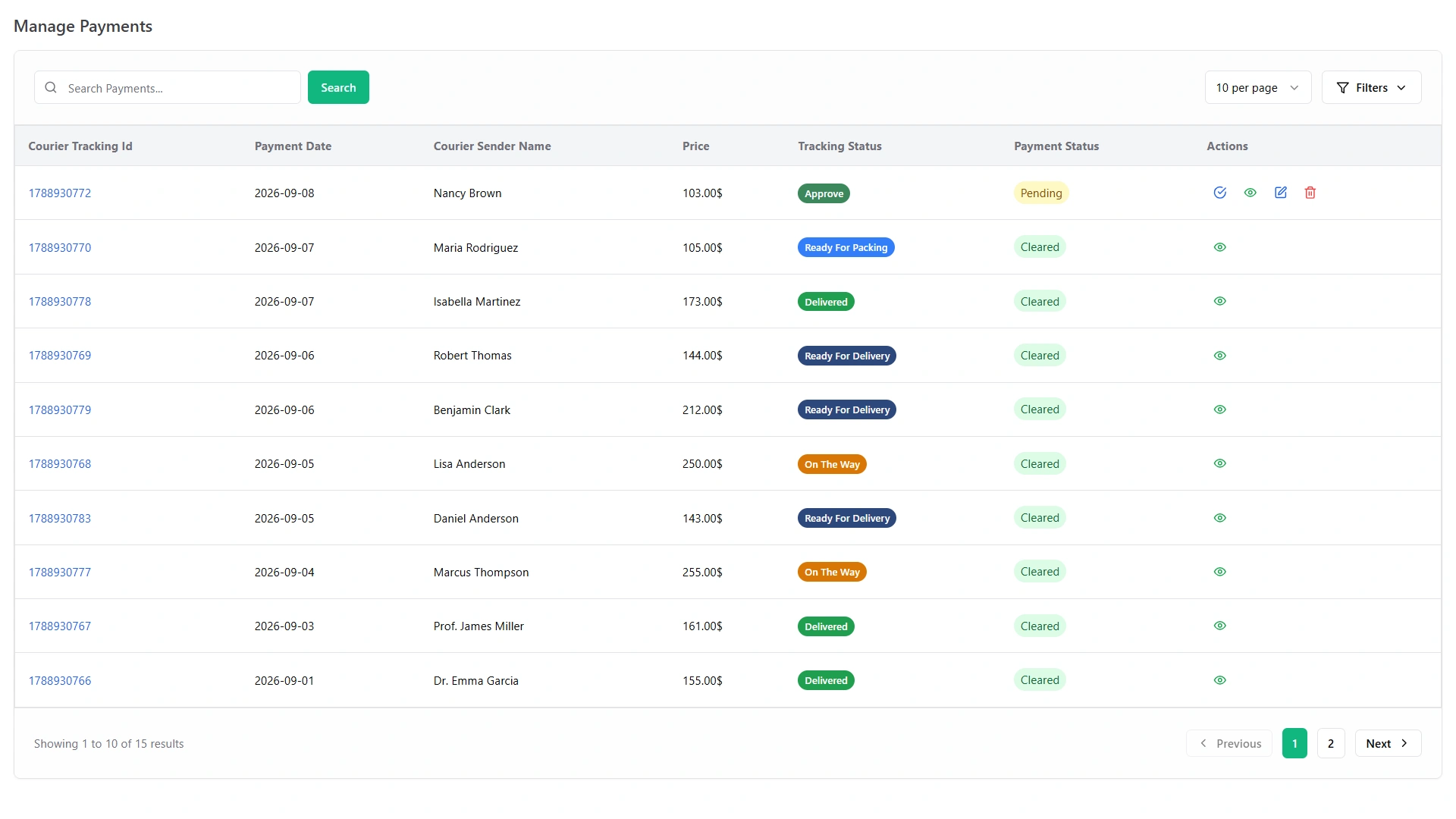
When the package arrives, the delivery is closed and the payment is logged against its tracking ID. Paid and pending charges stay clear.
Customers follow the delivery on your tracking page, message your team on WhatsApp and rate the service afterward.
Because every step lives on the same record, a manager can open any delivery and see who booked it, who is carrying it, where it stands and whether it has been paid.
Most delivery companies do not outgrow their drivers first. They outgrow the phone calls and paperwork around them. Five signs it is time for a delivery management system:
Only dispatchers know where a package is, so every customer call lands on them and every answer takes a search through notes.
Phone notes, chat messages and walk-in slips never add up to one list.
Delivery charges go uncollected because payments are not tied to specific deliveries.
Fuel, maintenance and insurance sit in different folders, so a costly van hides in plain sight.
No owner, no status, no response time.
If two or more sound familiar, delivery business software will save your team hours every week.
Every capability below sits inside one online delivery management system, with one login for your whole team.
Capture bookings from the counter, by phone or online. Each one gets a tracking ID with sender, receiver and package details, and returns are handled in the same record, so nothing is retyped or lost between teams.
Move every package through clear stages: pending, approved, ready for packing, ready for delivery, on the way and delivered. Anyone on the team can see the current status without asking the person who took the booking.
Handle freight customers, shipping requests by land, air, sea or rail, containers and freight invoices without leaving the system. Parcel and freight work share one login and one set of records.
Keep vehicles, drivers, fuel entries, maintenance, insurance records and trip log books in one place. Each vehicle carries its own history, so you know what it costs to run and when it needs service.
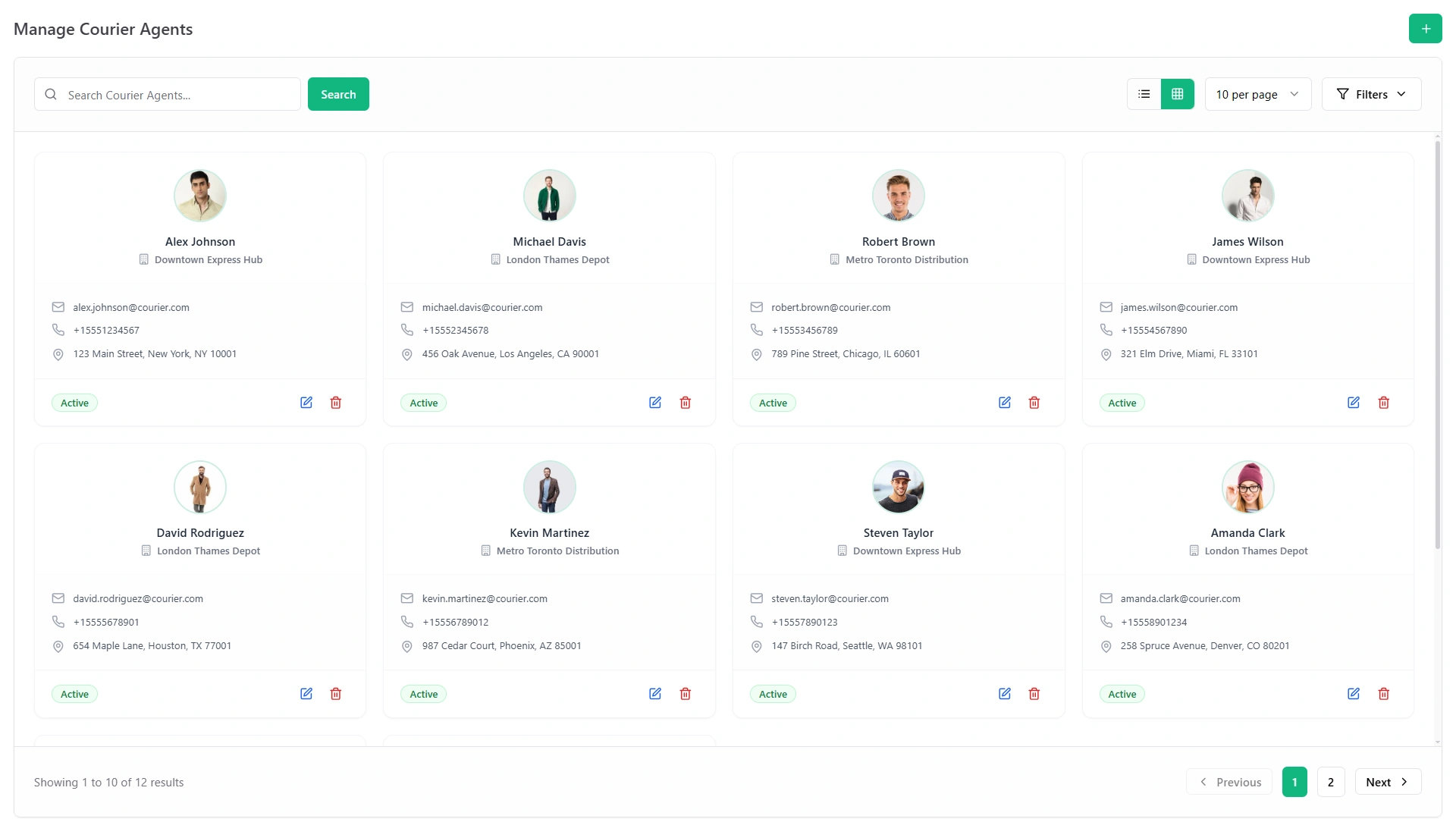
Manage courier agents and branches from the same records as your parcels, so a multi-branch operation stays organized and every pickup point works from the same system.
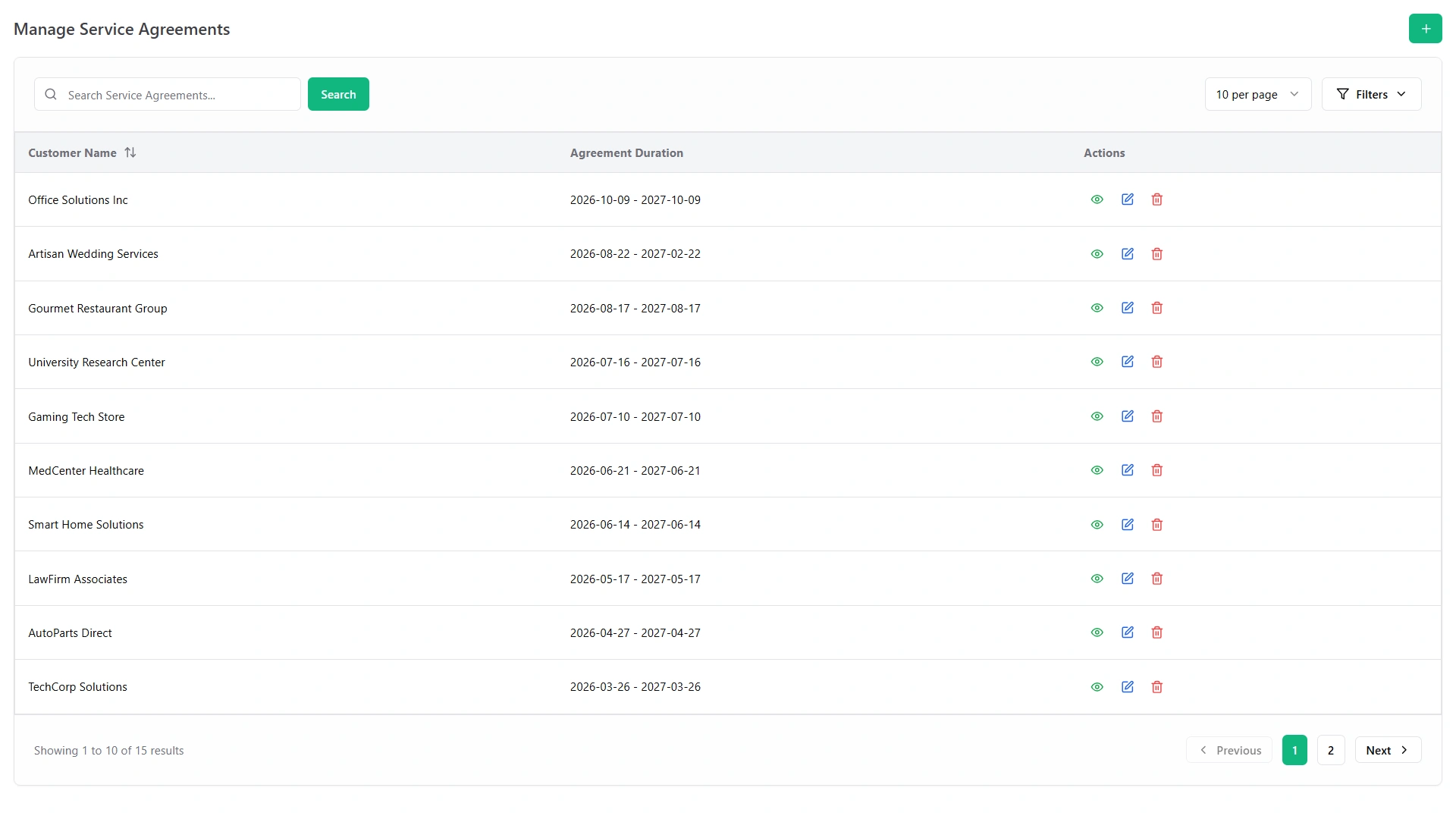
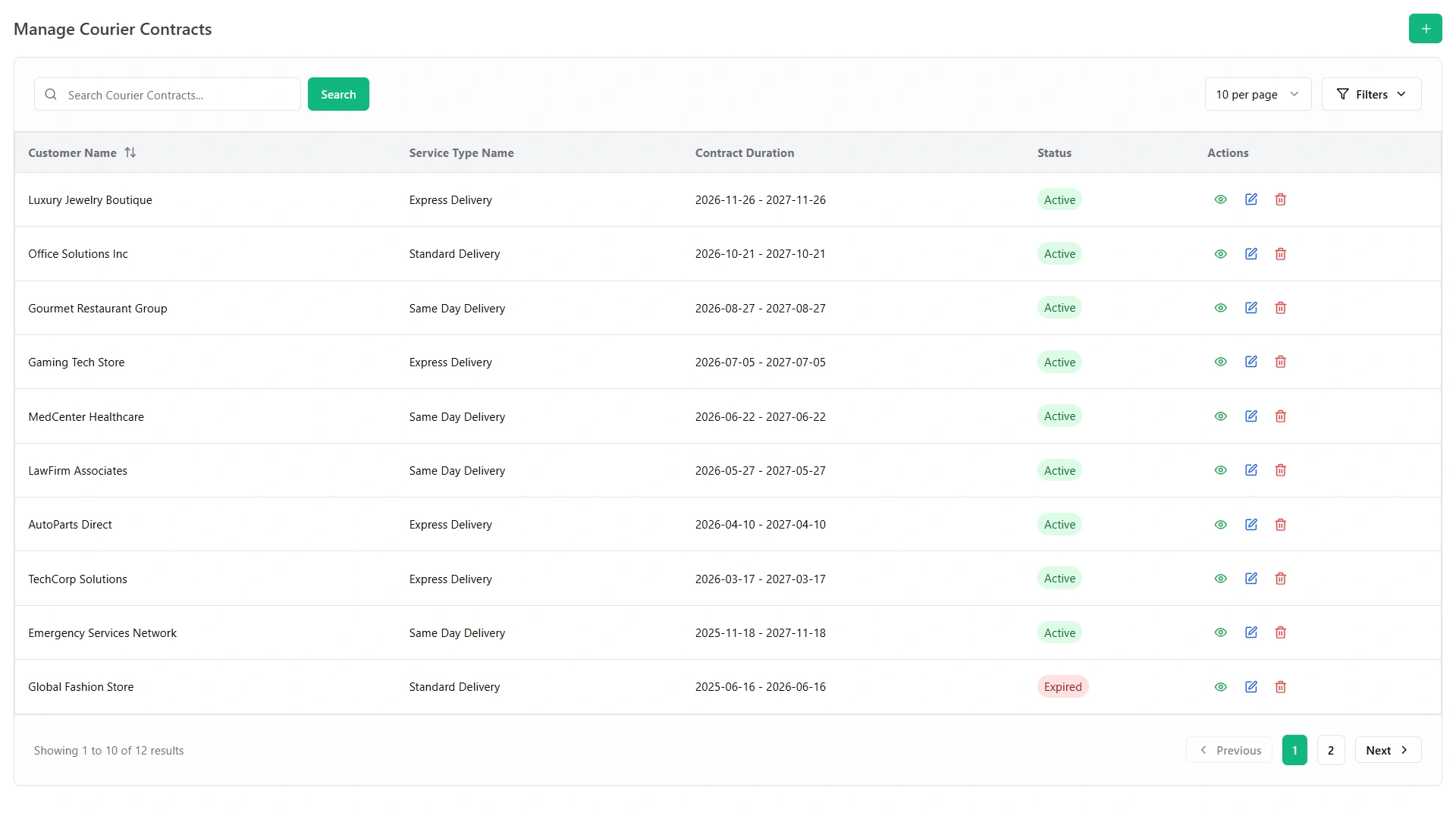
Keep service agreements and courier contracts with your business clients on record instead of in folders and inboxes.
Log every payment against its tracking ID. Paid and pending delivery charges are visible at a glance, so the end-of-day question of who still owes you has a clear answer.
Turn complaints into tickets with a category, a status and a response time, so every issue has an owner and nothing is lost in an inbox.
Collect star ratings and comments from customers so you can see where service is strong and where it slips, and act before small problems grow.
Follow revenue and business performance on smart dashboards, build reports on shipments, payments, expenses and revenue, and get AI business advisor recommendations and growth forecasts for your delivery business.
Sync clock-ins from biometric devices to see late arrivals and overtime for every driver, and run peak-season hiring from job post through interviews, offers and onboarding.
Publish announcements, route updates and shift rosters on the notice board so every driver sees the same plan, and collect anonymous staff suggestions to improve daily operations.
For a closer look at booking, tracking and payments, see the courier management features.
Real time delivery management starts with one shared record. When your team updates a delivery, customers see the new status on your branded tracking website: they enter a tracking number and follow each stage from pending to delivered.
Your logo, your website and your name on every status check.
A chat widget lets customers message your team in one tap instead of waiting on hold.
Your team gets instant WhatsApp notifications for the events you switch on, such as new invoices or new feedback.
Customers check the status themselves, and your team answers only the questions that need a person.
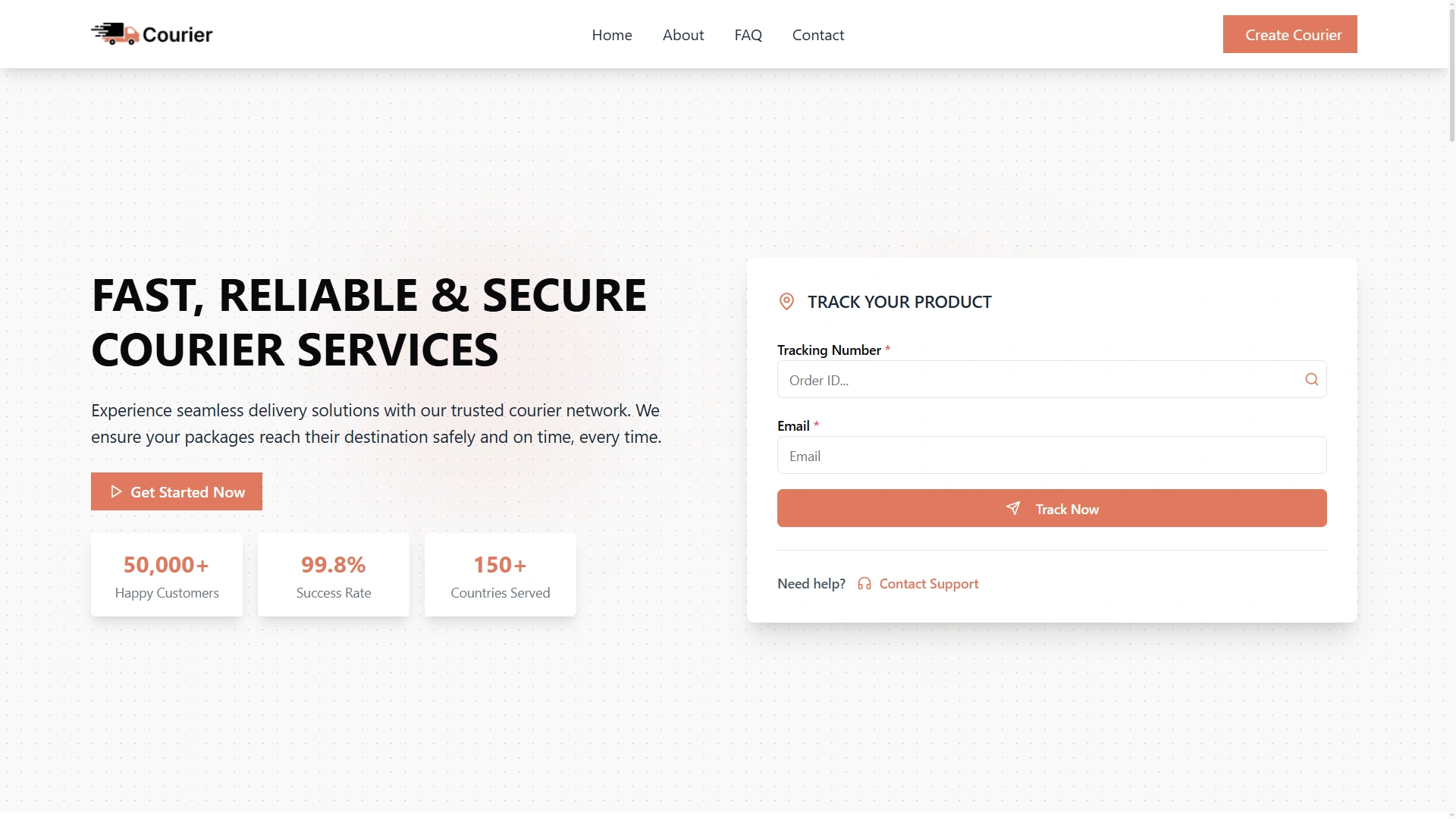
Senders and recipients can also book online in three quick steps, from a mobile-friendly page under your own brand.
The tracking page shows the origin and destination, the current stage (for example, In Transit) and every completed step with its time, so a customer sees the same story your team sees.
Last mile delivery is the final leg of a shipment, from a depot, hub or agent to the customer's door. The name comes from telecommunications and logistics, where "last mile" means the final stretch to the customer. It is also the costliest stretch: worldwide, the last mile grew from 41% to 53% of total shipping costs between 2018 and 2023 (Statista). It is where things go wrong too. Up to 20% of ecommerce packages are not delivered on the first attempt (Harvard Business Review, 2023). Local and same-day work squeezes all of this into a few hours, so records and status have to be right the first time.
The last mile depends on knowing who has which package. This last mile delivery management software keeps the driver and vehicle on record for every delivery, moves the status from ready for delivery to on the way to delivered, and lets customers follow along on your tracking page or message your team on WhatsApp. When the package arrives, the delivery is closed and the payment is logged in the same workflow. The office and the road look at the same record.

Home delivery adds its own details: a named recipient, an address and a customer who wants to know when the package will arrive. Home delivery software has to keep each order's sender, receiver and package details on record, give the recipient a tracking page and a WhatsApp chat for questions (such as whether a parcel can be left at reception), and log the payment when the delivery closes. That is what this home delivery management software does, so the same home delivery management system serves parcel companies, local couriers and any business delivering to households.
Delivery service software like this works for companies of every size that move packages for customers.
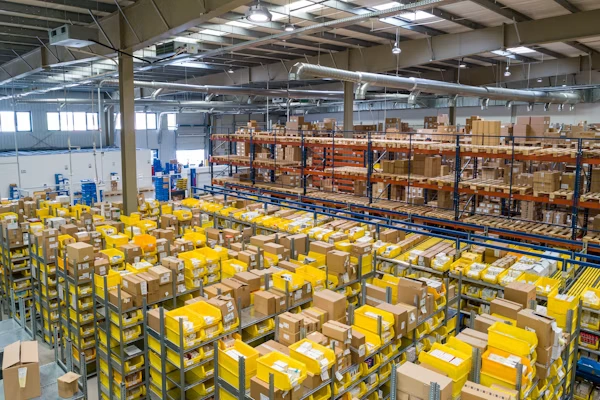
Take bookings at the counter, assign drivers and keep every parcel on a tracking ID from pickup to doorstep.
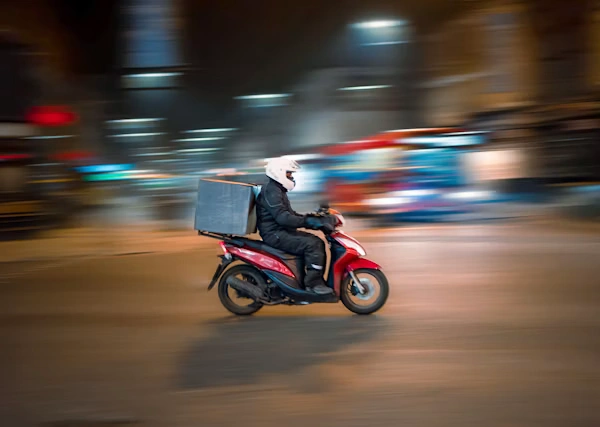
Short turnarounds need clear records and fast status updates, and one system keeps dispatchers and drivers aligned.
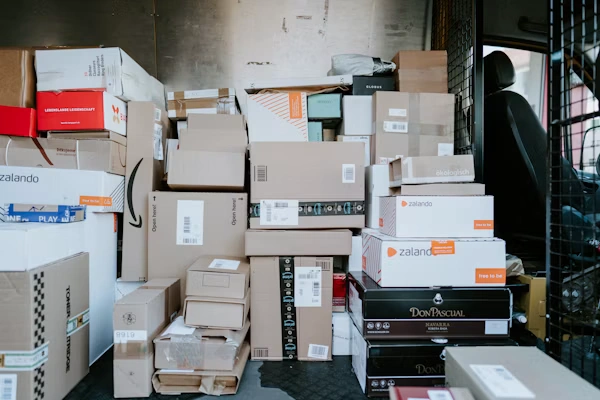
Handle returns, payments and tracking for your clients in one place, so reconciling at the end of the month is simple.

Run parcel and freight work by land, air, sea or rail in the same system.
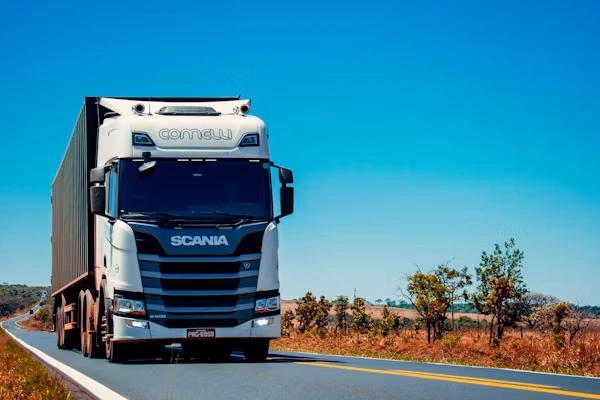
Keep vehicles, drivers, fuel and maintenance on record for every van and bike you run.

Book urgent deliveries and keep each one traceable from the moment it is booked.
Need detail on ecommerce, retail, restaurant, medical or small-business delivery? See the use cases.
Customers check the tracking page themselves, so dispatchers spend their time on deliveries instead of updates.
Payments are logged against tracking IDs, so you know what has been collected and what is still outstanding.
Fuel entries, maintenance and insurance sit with each vehicle, so cost surprises show up early.
Every complaint becomes a ticket with a category and a response time, and star ratings show how customers feel.
Booking, fleet, support and staff tools share one login instead of five separate tools.
Add drivers, vehicles and branches without a bigger bill every month.
Together these add up to a calmer office, clearer numbers and a delivery operation that scales with your customers, not with your software bill. See all the benefits of a delivery management system.
Delivery system software overlaps with several other tools. Here is how they differ.
| Tool | Main job | Choose it when |
|---|---|---|
| Delivery management system | Runs the delivery operation: bookings, drivers, vehicles, tracking and payments | You want one record of every delivery, from order to payment |
| Courier management system | The same job for courier and parcel companies, with agents, branches and parcel records | Parcels are your business |
| Transportation management system (TMS) | Plans and buys freight movement across carriers and lanes | You move large freight loads through many carriers |
| Route planning and dispatch tools | Work out the order of stops and assign jobs to drivers | Sequencing stops is your main bottleneck |
| Spreadsheets and paper | Record whatever someone remembers to write down | You make only a handful of deliveries a week |
| Monthly subscription delivery software | The same job, rented per driver or per order | You prefer renting to owning |
The two overlap heavily. Courier management software is the version built for courier and parcel companies, with agents, branches and parcel records, and WorkDo's system covers courier and general delivery work in one product. If parcels are your business, start with the courier management software page.
A TMS plans and buys freight movement across carriers, lanes and modes. A delivery management system runs the operation around a delivery: who booked it, who is delivering it, where it stands and whether it has been paid. Freight operators sometimes use both. Many delivery companies need only the second.
Route planning tools work out the most efficient order of stops, and dispatch tools assign jobs to drivers. A delivery management system holds everything around them: bookings, vehicles, payments, customer tracking and support. For more on dispatching, see the dispatch page.
Delivery management systems differ mostly in what they charge and what they let you own. Use this checklist to compare any software for delivery, including ours. The best delivery software is the one that fits how you deliver, not the one with the longest feature list.
| What to look for | Why it matters | What you get here |
|---|---|---|
| Your delivery model | Software should match how you deliver | Drivers and vehicles, courier agents and branches, and freight by land, air, sea or rail |
| Booking and status tracking | One record per delivery | Tracking IDs and a status from pending to delivered |
| Customer visibility | Fewer status calls | A branded tracking website and WhatsApp chat |
| Payments and billing | You know what is collected | Payments logged against tracking IDs |
| Cost model | Subscriptions grow with your headcount | $199 one time, no per-driver fees |
| Ownership and branding | Control over the software and the customer experience | Full source code and white label |
| Room to scale | Branches, staff and modules keep growing | 14 modules in one system |
Ask every vendor to walk through one real delivery, from booking to payment, and put these questions to them:
A cost that scales with headcount punishes your best months.
Choose by how you deliver, not by the longest feature list.
If you stop paying, you lose the system your team runs on.
You cannot manage what you do not measure. Delivery teams commonly track:
The share of deliveries completed when promised.
The share of packages delivered on the first try.
What fuel, vehicle and staff time add up to for each drop.
How often a delivery does not complete, and why.
How much of what you have delivered you have been paid for.
How recipients score the service.
Pick two or three to start, and review them every week so problems show up while they are still small.
WorkDo gives you the data behind several of these. Reports cover shipments, payments, expenses and revenue. Fuel and maintenance sit with each vehicle. Feedback shows star ratings and comments, and support tickets show response times. Smart dashboards follow revenue and business performance, and the AI business advisor offers recommendations and growth forecasts for your delivery business.
Delivery management solutions are priced in a few main ways, and the model matters more than the sticker price. Most tools rent the software by the driver, by the order or by a custom quote. Prices below come from public pricing pages, checked in September 2026.
What drives the billNumber of drivers; some plans have a 3-driver minimum
What drives the billOrders or stops per month
What drives the billLarger fleets and enterprise needs
What drives the billNothing recurring
A five-driver team on per-driver plans pays roughly $2,100 to $2,900 a year on annual billing, and about $6,300 to $8,800 over three years. Add drivers and the bill grows with them. Before you compare, check whether each plan caps orders, users or modules, and whether the lower price requires annual billing. The usual levers on the bill are the number of drivers, monthly order volume, locations or users, and extras such as customer notifications, so ask what is included before you commit.
WorkDo Courier Management is $199 one time, a $500 value if the modules were bought separately. That includes all 14 modules, the full source code and free future updates, with no per-driver or monthly fees.
Most delivery software is rented. This one is yours.
Customize the system to the way you deliver.
Pay $199 once and receive free future updates for as long as you run it.
Put your brand on the booking and tracking pages your customers see.
Add drivers, vehicles and branches without a bigger bill.
For a five-driver team, that difference is thousands of dollars a year, and it grows every time you hire.
Every module is fully unlocked from day one, with one login for the whole system.
Simple for counter staff, detailed for dispatchers and managers, and clear for owners who want the full picture. Explore the live demo to see each screen working.
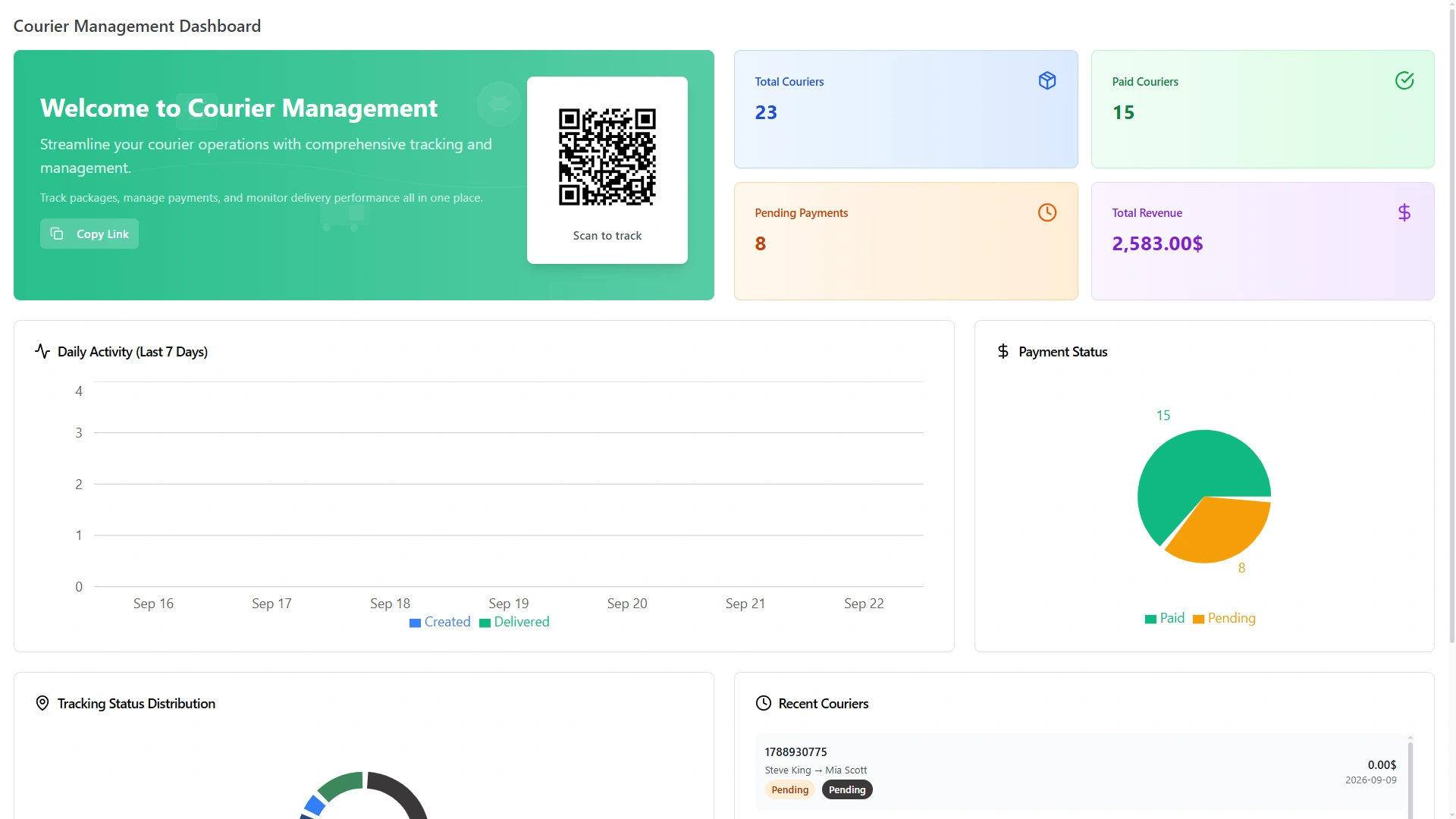
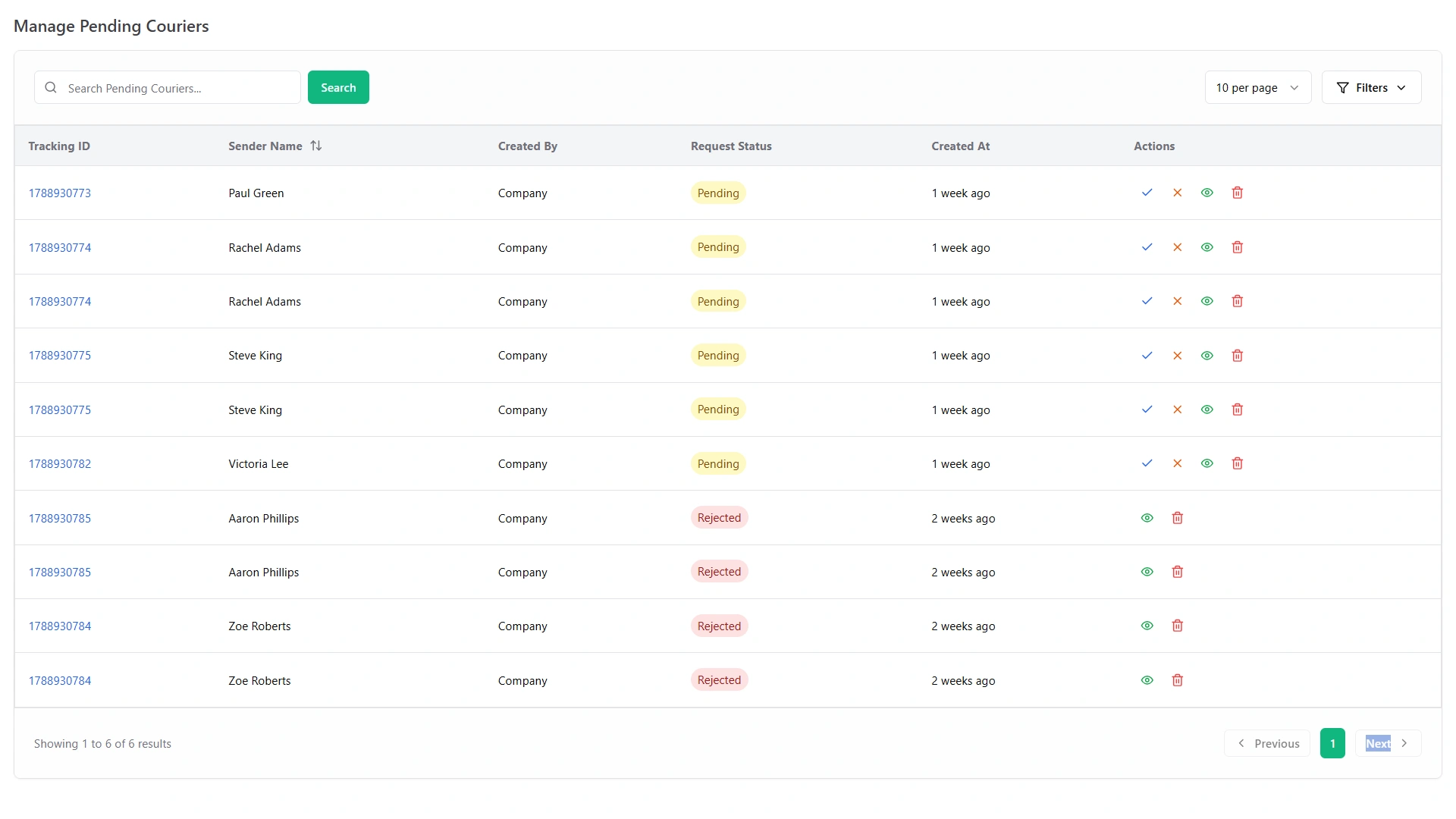
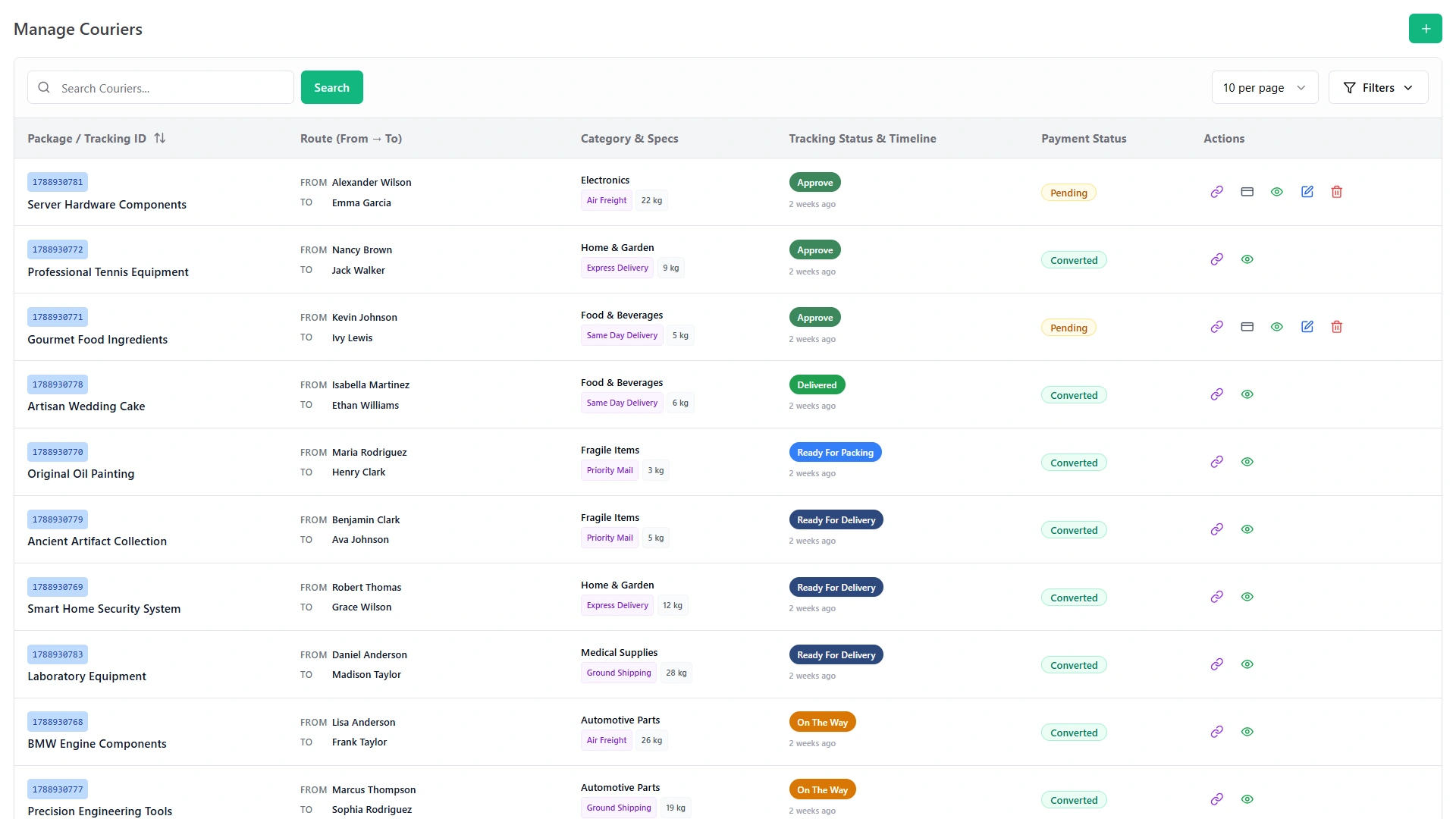
Four steps take you from curious to your first tracked delivery.
Explore the dashboard, couriers, payments and agents before you buy.
Pay $199 once and receive the full source code.
Enter the pieces of your operation so every delivery has a place to land.
Take your first booking, share the tracking number and follow it to delivery.
Pay $199 once and get the complete delivery management software: 14 modules, the full source code and lifetime updates.