workdo sale image

Get 50% off all Add-Ons today! Need more? Check Bulk Discounts!

get 50% off
Construction Management Software

Construction Project Management Software Use Cases

Every construction business manages projects differently. A general contractor may coordinate multiple sites and subcontractors, while a residential builder may focus on materials, inspections, budgets, and project completion. The right construction project management software should adapt to these different workflows instead of forcing every business into the same process.

WorkDo helps construction teams organize projects, sites, materials, budgets, procurement, safety, equipment, contracts, workloads, reporting, and daily operations in one place.

Whether you run a contracting business, build commercial projects, manage residential work, or handle remodeling and renovation projects, you can use the platform around the way your business operates.

Explore the complete construction project management software solution to see the full platform.

General Contractors

General Contractor Software for Coordinating Complex Projects

General contractors manage many moving parts at once. Multiple sites, construction partners, materials, procurement activity, inspections, budgets, and teams all need to stay aligned.

General contractor software gives project managers a central system for organizing this work and maintaining visibility as projects move from planning to completion.

Manage Multiple Sites and Project Activity

General contractors can create construction sites, define dates and partners, assign users, and track each site's status through Planned, In Progress, and Completed stages. Site dashboards provide visibility into site distribution, partner performance, trends, stock, scrap, and inspection results.

This is useful for contractors managing several active projects where checking individual records manually can become time-consuming.
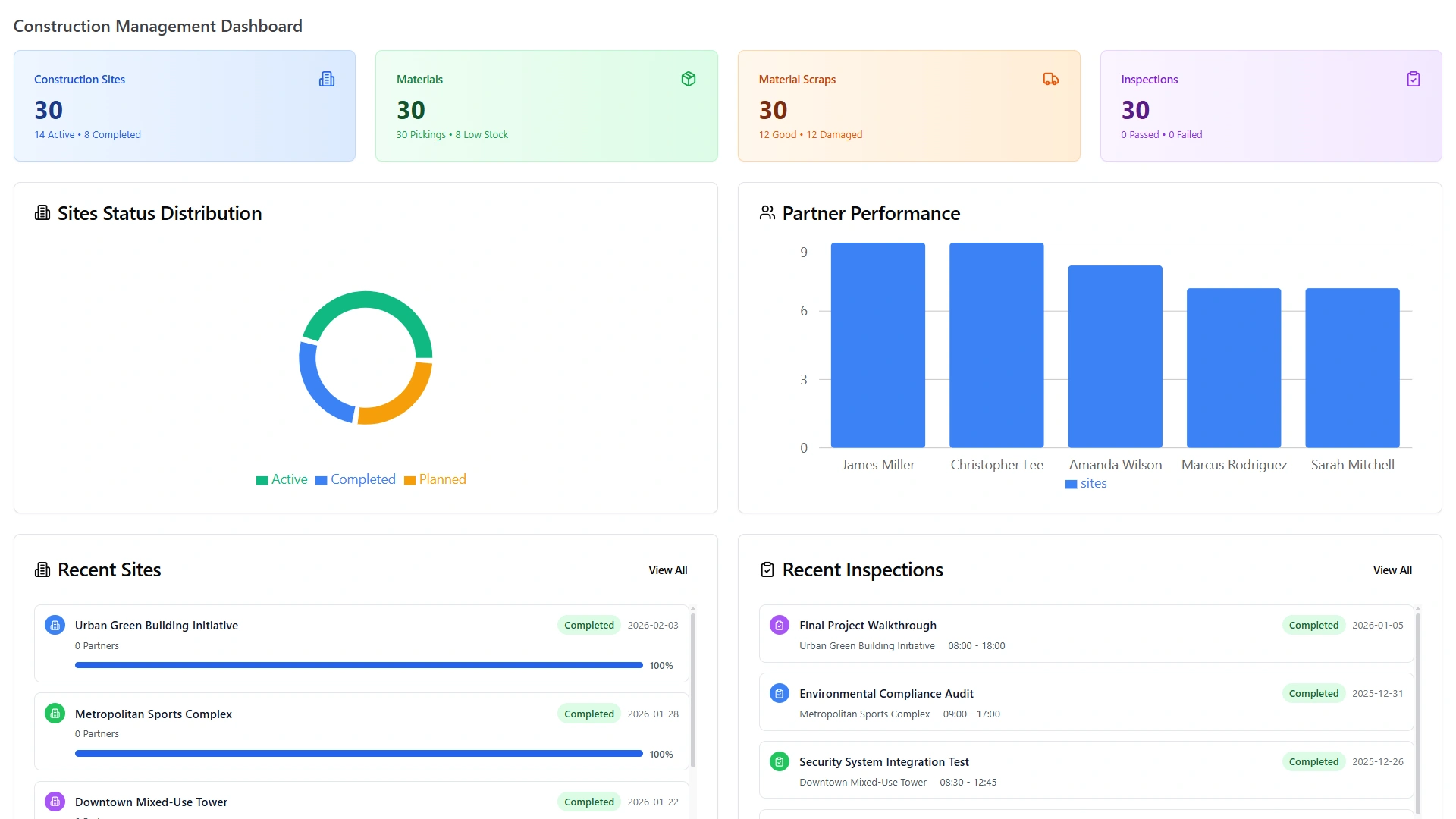
Construction Management Dashboard with sites, materials, scraps, inspections and partner performance

Coordinate Materials, Procurement, and Subcontractor Costs

General contractor software can also help teams keep material and procurement activity organized. Material records include quantities, costs, sites, and availability, while supplier pickings track delivery information and order status. Internal picking supports material movement between sites.

Contractors can also track subcontractor costs and site labor while monitoring budget performance.

Keep Safety and Inspections on Track

General contractors can manage work permits, site inspections, compliance records, and corrective actions within structured workflows.

Permits can move through statuses such as Draft, Pending, Approved, Active, Closed, and Cancelled, while inspection workflows can capture scores, compliance results, and corrective actions.

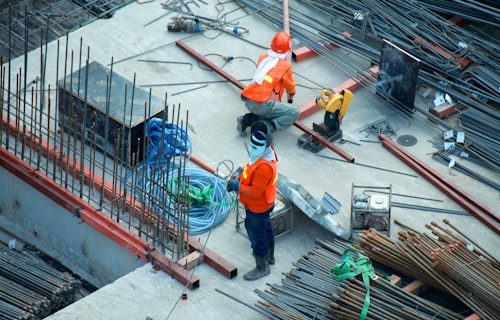
Site team working on a commercial building deck

Use case: A general contractor overseeing several commercial sites can review site status, material availability, budget information, pending permits, inspections, and team workloads from a centralized management environment.

Small Builders

Construction Software for Small Businesses and Small Builders

Smaller construction businesses often need simple systems that reduce administrative work without creating unnecessary complexity.

Construction project management software can help small builders organize the essentials around each project while maintaining visibility over costs, materials, people, and progress.

Keep Projects and Costs Organized

Small builders can structure construction sites with clear statuses, dates, assigned users, materials, and partner information. Budget tools can manage Operational, Capital, and Cash Flow budgets while tracking allocations, spending, remaining amounts, and variance.

This provides a more consistent way to monitor project finances as work progresses.

Simplify Materials and Daily Operations

A small team may have the same person handling project coordination, purchasing, and site administration. Structured material records, picking workflows, petty cash, contracts, and reports can reduce the need to maintain separate records for each activity.

Make Reporting Easier

Small construction businesses can use centralized reports covering project progress, stock, purchases, invoices, attendance, and other business information. Reports include filters, summary metrics, charts, tables, and Excel/PDF export.

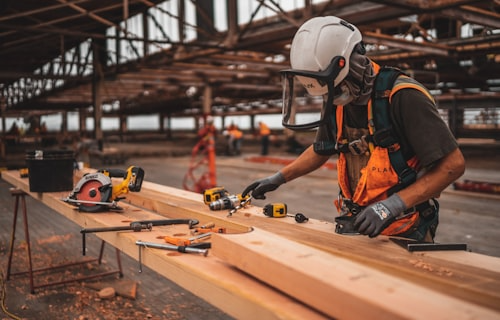
Builder cutting timber on a residential site

Use case: A small builder managing several residential projects can use one system to check project status, monitor materials, review budget activity, manage expenses, and prepare progress reports without maintaining multiple separate tracking systems.

Commercial & Civil

Commercial and Civil Construction Software

Commercial and civil projects can involve multiple locations, contractors, materials, equipment, safety requirements, and financial controls.

The platform gives commercial and civil contractors a structured way to manage these operational demands.

Commercial Construction Project Management

Commercial construction teams can use site management, procurement, budget planning, contracts, inspections, and reporting to organize project operations.

Budget tools support different budget types and account-level allocations, while contract management helps teams manage agreements, values, dates, signatures, renewals, attachments, and audit history.

Civil Construction Project Management

Civil contractors often need strong visibility across sites and resources. Construction site management provides site-level information, materials tracking, internal site transfers, inspections, and partner performance.

Equipment management adds support for equipment inventory, bookings, returns, repairs, and lost-item tracking, helping contractors maintain a clearer view of machinery used across operations.

Safety and Compliance for Active Projects

Commercial and civil construction can also use structured permit and inspection workflows to organize safety activity.

Work permits can include defined risk levels and approval stages, while audits support checklist scoring, compliance percentages, Pass/Fail results, and corrective actions.

Cranes and containers at a large infrastructure site

Use case: A civil contractor managing equipment and multiple active sites can combine site records, material movement, equipment tracking, budget monitoring, permits, inspections, and reporting within a single operational workflow.

Residential & Remodeling

Construction Software for Residential Builders and Remodelers

Residential construction has its own project rhythm. Builders and remodelers may manage homes, units, materials, contractors, inspections, budgets, and changing project requirements at the same time.

Building Construction Project Management

Residential builders can create and monitor construction sites, manage material availability, follow picking and delivery activity, track inspections, and review project status.

For builders working across several properties, the ability to assign users to specific sites and manage site-level roles provides a more organized way to coordinate teams.

Keep Residential Project Administration Organized

Contracts, petty cash, reimbursements, notices, suggestions, and reports can all be handled within the broader management environment.

This can be particularly useful when a growing building or remodeling company needs more structure but wants to keep project administration connected to daily operations.

Remodeling and Renovation Project Management

Remodeling and renovation projects require close coordination between people, materials, budgets, and site activity.

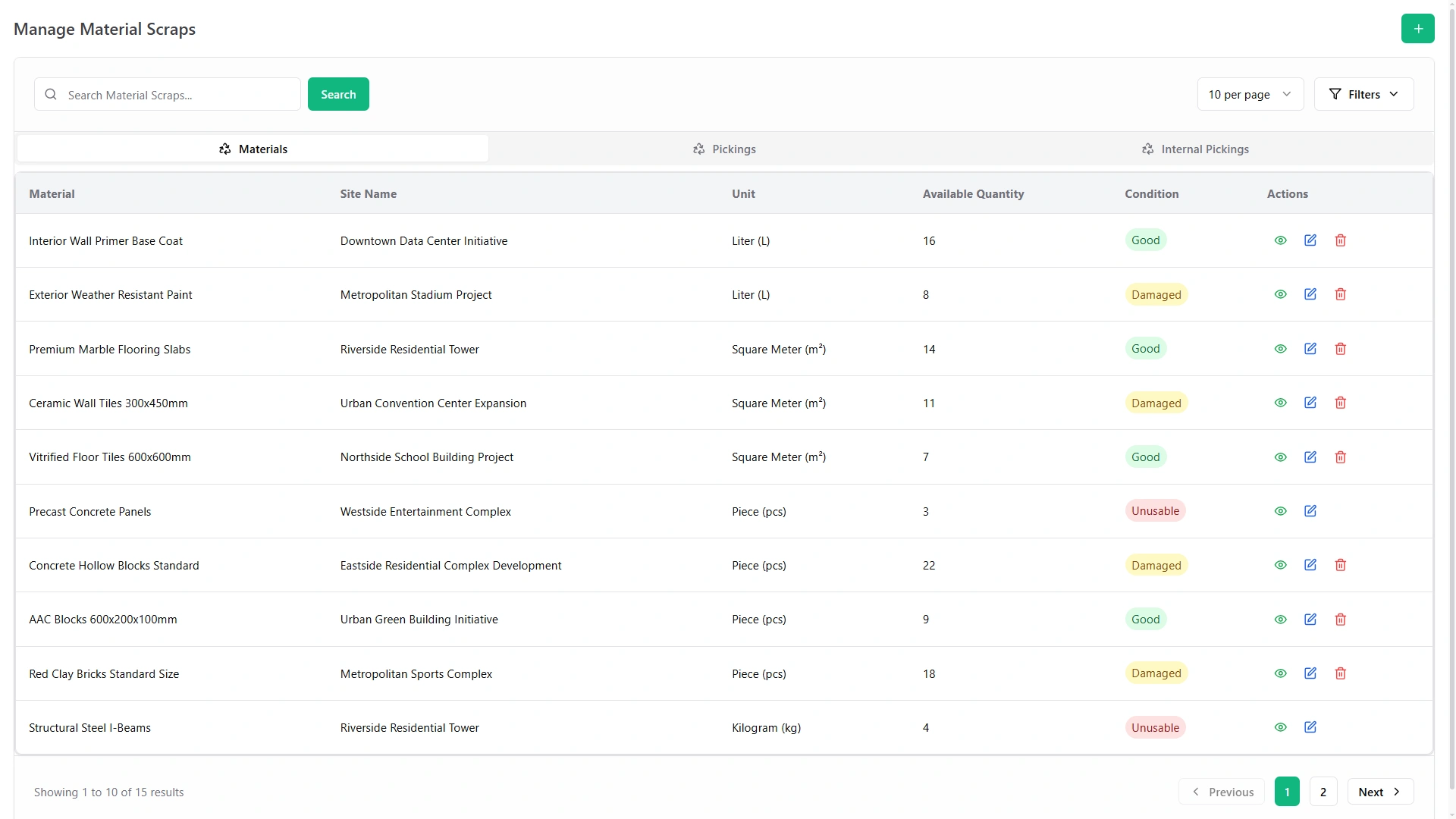
Project teams can monitor material quantities and costs, record supplier deliveries, track internal material transfers, manage inspections, and record material scraps.

Budget monitoring can then provide visibility into planned versus actual spending, while workload management helps teams review employee capacity and estimated versus spent time.

Manage Material Scraps screen with materials, sites, units and condition
Finished modern home with lit windows at dusk

Use case: A residential remodeling team can track the project site, material purchases, budget activity, inspections, team capacity, expenses, and contract records from one system.

One Platform

One Construction Platform for Different Project Workflows

The biggest difference between construction businesses is often how they use the same operational building blocks.

  • A general contractor may focus on multiple sites, partners, procurement, safety, and project costs.
  • A small builder may prioritize simplicity, budgets, materials, and reporting.
  • A commercial or civil contractor may need stronger site, equipment, safety, and financial visibility.
  • A residential builder or remodeler may need tighter control over materials, inspections, expenses, and team coordination.

The platform supports these different use cases through a broad construction workflow that moves from:

  1. Plan & Scope
  2. Budget & Procure
  3. Permits & Safety
  4. Build & Coordinate
  5. Inspect & Resolve
  6. Handover & Close

This makes it possible to use the same overall construction management environment across different business models while focusing on the workflows that matter most to each team.

Which Fits?

Which Construction Use Case Fits Your Business?

Business Type Primary Needs
General Contractors Multi-site coordination, materials, partners, budgets, safety
Small Builders Simple project tracking, budgets, materials, expenses, reporting
Commercial Contractors Projects, contracts, procurement, budgets, compliance
Civil Contractors Sites, equipment, materials, safety, operational visibility
Residential Builders Site tracking, materials, inspections, budgets, teams
Remodelers & Renovation Teams Materials, costs, inspections, contractors, project coordination
Everyday Operations

From Construction Projects to Everyday Operations

Construction teams do not manage projects in isolation. They also need to handle procurement, equipment, contracts, petty cash, workforce capacity, reporting, and wider business operations.

The platform includes capabilities covering construction management, property management, work permits and safety, site inspections, security, equipment rental, procurement, budgeting, contracts, petty cash, workload management, analytics, AI insights, reporting, notices, and suggestions.

That broader coverage allows businesses to manage the operational work surrounding their construction projects instead of using separate processes for each area.

For an outcome-focused view, see the benefits of construction management software.

Your Workflow

Find the Right Construction Workflow for Your Business

Whether you are coordinating multiple commercial sites, running a small building business, managing civil projects, or handling residential construction and remodeling, construction project management software can give your team a more organized way to manage projects and daily operations.

Explore the construction project management software platform, see the construction management software features, or discover the benefits of construction management software to see how WorkDo can fit into your workflow.

Explore WorkDo and find the construction workflow that fits your business.

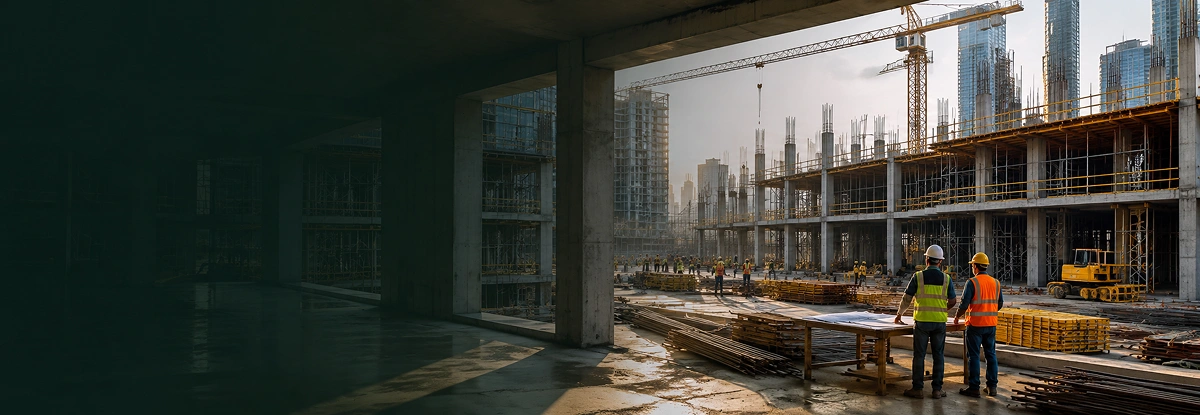
Builders reviewing plans inside a large building under construction
Faq's

Frequently Asked Questions About Construction Software Use Cases

Construction project management software can support general contractors, commercial builders, residential builders, infrastructure contractors, specialty subcontractors, design-build and engineering firms, remodeling and fit-out teams, and equipment and fleet operators.
Yes. Small builders can use it to organize sites, materials, budgets, expenses, reporting, contracts, and team workloads while keeping project information in one place.
General contractor software can provide site-level tracking, material management, procurement, budget visibility, safety workflows, inspections, workload information, and reporting across active projects.
Yes. Commercial and civil contractors can use site management, equipment tracking, procurement, budgeting, contracts, permits, inspections, compliance, and reporting capabilities to organize project operations.
Yes. Remodeling and renovation teams can use construction site management, material tracking, budget monitoring, inspections, workload management, contracts, and expense capabilities for their projects.
Yes. The platform is designed around a broad construction workflow and supports different construction audiences with capabilities that can be applied according to each business's operating needs.