

The Important Role of HR Manager in Achieving Business Growth
The HR manager’s role drives growth through talent, engagement, compliance, and strategy.

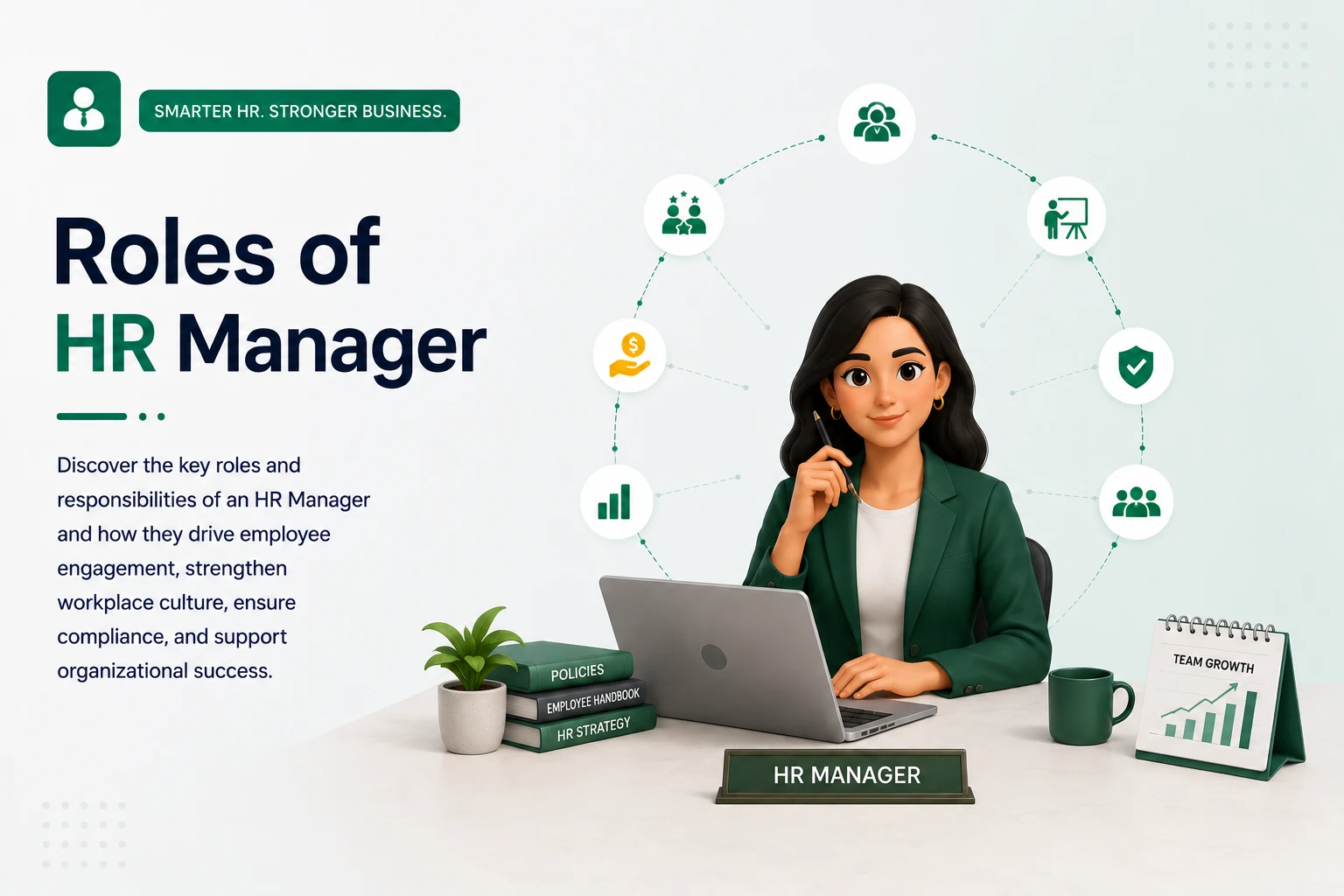
Modern HR Manager: The Backbone of Workforce and Business Success
HR Managers play a pivotal role in every organization by building effective teams, boosting productivity, and linking employee efforts to company goals. Beyond basic hiring and payroll, they drive strategic decisions, analyze talent data, and support growth initiatives. In today’s global, digital landscape, understanding the role of HR manager is critical for both employees and leadership to ensure business success. This article delves into their essential duties, evolving responsibilities in modern workplaces, and vital contributions to overall success.
Who is the HR Manager?
An HR Manager is a senior-level professional responsible for managing an organization’s most valuable asset—its people. Unlike junior Human Resource staff who typically handle tasks like recruitment, onboarding, and payroll, HR Managers oversee the entire Human Resource function, balancing both strategic direction and operational execution.
They act as a vital link between upper leadership and the workforce, ensuring business goals align with employee needs. Because they manage the often competing priorities of organizational objectives and employee expectations, HR Managers play a crucial role in shaping a productive, supportive, and motivated workplace.
HR Managers also implement Human Resource strategies that drive business growth, enhance performance, and support long-term organizational success. At the same time, they advocate for employees by addressing concerns, fostering a positive culture, and ensuring fair treatment.
To excel in this role, HR Managers must possess strong knowledge of labor laws, organizational behavior, conflict resolution, and data-based decision-making. They often serve as strategic advisors to executives—especially during periods of growth, restructuring, or organizational change.
What Does a Human Resource Manager Do?
A Human Resource Manager oversees all core HR activities, ensuring people-related processes run smoothly and align with business goals. Their responsibilities include recruitment, onboarding, training, performance management, and compliance with labor laws. HR Managers design employee engagement strategies, manage benefits programs, and implement Human Resource policies that foster a positive and productive workplace.
They guide performance improvement initiatives and ensure the organization attracts and retains high-quality talent. They stay updated on labor regulations and HR trends to maintain compliance and ethical practices. Additionally, Human Resource Managers collaborate with department heads, senior leaders, and external stakeholders to manage workforce issues and support organizational success, reflecting the role of hr manager in driving efficiency.
Essential Tasks and Core Responsibilities in the Role of HR Manager
An HR Manager handles a wide range of responsibilities that vary by industry and organizational size. With strong experience and relevant Human Resource certifications, they oversee key Human Resource functions that support business goals and employee needs. Common Human Resource Manager duties include:
- Developing and implementing HR policies and procedures that support organizational goals and ensure consistent, compliant workforce management.
- Overseeing the entire talent management cycle including recruitment, selection, onboarding, and designing effective hiring strategies.
- Identifying training needs and managing employee development programs to enhance skills, improve performance, and support career growth.
- Administering compensation and benefits programs such as salary reviews, bonuses, and competitive reward structures.
- Managing employee relations and resolving workplace conflicts while leading fair disciplinary processes to maintain a healthy work environment.
- Directing performance management systems and evaluations to track employee progress and support continuous improvement.
Key Roles and Functions of an HR Manager
The HR manager plays a central role in guiding, supporting, and developing an organization’s workforce. Their functions ensure smooth operations, employee growth, and alignment between organizational goals and people strategies.
Human Resource Planning
Human resource planning is essential for anticipating and preparing for future workforce needs. HR managers analyze organizational goals to determine the number and types of employees required. They ensure the right talent is available and staffing levels align with business demands. Effective planning minimizes skill shortages, supports growth, and keeps the organization prepared for market changes.
Recruitment & Selection
Recruitment and selection are key to building a strong workforce, with HR managers overseeing the entire process. They create job descriptions, post openings, screen candidates, conduct interviews, and make hiring decisions. Their role of hr manager ensures the process is fair, efficient, and inclusive, attracting talent that meets job requirements and fits the organizational culture.
Performance Management
Performance management involves evaluating employee performance and supporting their growth within the organization. HR managers facilitate reviews, guide goal setting, and ensure constructive feedback. They also oversee reward and recognition systems that motivate employees, fostering high performance and aligning individual goals with organizational objectives.
Learning & Development
HR managers ensure continuous employee development through learning and training initiatives. They assess training needs, design programs, and provide resources to enhance skills and knowledge. These opportunities boost individual performance and support organizational growth. HR managers coordinate with internal or external experts to deliver programs that meet current and future workforce needs, emphasizing the role of hr manager in employee growth.
Career Planning
Career planning involves HR managers guiding employees in their professional growth within the organization. They provide advice on career paths, skill development, and potential opportunities that align with individual goals and organizational needs. Through counseling, training, and mentorship, HR managers support informed career decisions and promote long-term employee retention and satisfaction.
Rewards
HR managers oversee compensation and benefits programs to attract, motivate, and retain employees. They design competitive and equitable salary structures, manage bonuses, and provide benefits like healthcare and retirement plans. By creating a comprehensive rewards strategy, they ensure employees are fairly recognized and compensated for their contributions.
Function Evaluation
In function evaluation, HR managers assess roles to ensure job descriptions are accurate and compensation matches responsibilities. They analyze each position’s value, conduct market research, and adjust roles as needed. Regular evaluations help maintain fairness, organizational efficiency, and competitive compensation.
Health & Safety
The health and safety function ensures the workplace complies with legal standards and promotes a safe environment. HR managers develop policies, provide safety training, and conduct risk assessments to protect employees from hazards. They address both physical and mental health concerns, fostering a culture of safety where employees can thrive.
Employee Participation & Communication
HR managers play a crucial role in fostering open communication between employees and leadership by creating feedback channels like surveys, focus groups, and town halls. They promote transparency, build trust, and ensure employees feel valued and involved in decision-making. Effective communication strengthens engagement, boosts morale, and contributes to a positive workplace culture.
Industrial Relations
Industrial relations is a key Human Resource function, especially in organizations with unions or complex labor agreements. HR managers handle union negotiations, resolve conflicts, and ensure compliance with labor laws. By addressing grievances and mediating disputes, they help maintain fair treatment and strong employee–management relationships. A solid focus on industrial relations reduces disruptions and supports a positive work environment.
Administrative Responsibilities
Administrative responsibilities involve maintaining employee records, managing payroll, and overseeing benefits administration. HR managers ensure all Human Resource policies comply with legal requirements and that documentation is accurate and up to date. This function is essential for organizational efficiency, legal compliance, and smooth Human Resource operations that support overall business performance.
Well-being
HR managers play a pivotal role in supporting employee well-being by addressing both physical and mental health needs. They implement wellness initiatives, offer employee assistance programs (EAPs), and promote a healthy work-life balance. By fostering well-being, Human Resource managers help reduce burnout, boost satisfaction, and improve overall productivity, contributing to a positive and sustainable work culture.
Unlock HR Success: How the Role of HR Manager Powers HRM Goal Achievement
Workdo’s HRM software equips HR managers to achieve key organizational and people-related goals by automating routine tasks and delivering actionable insights across the employee lifecycle.
Streamlined Goal Achievement
- Talent Acquisition Targets: Accelerates recruitment goals through automated applicant tracking, AI-driven matching, and seamless onboarding, reducing time-to-hire by up to 50% while ensuring cultural fit.
- Performance & Development Objectives: Enables real-time KPI monitoring, 360-degree feedback, and personalized training modules tracking to meet growth targets, boosting employee productivity and retention rates.
- Compliance & Efficiency Milestones: Automates payroll, attendance Management , and regulatory reporting to eliminate errors, achieve cost savings, and maintain legal adherence effortlessly.
- Engagement & Retention Goals: Facilitates self-service portals for leaves, rewards, and feedback surveys, fostering higher morale and directly supporting turnover reduction strategies.
By centralizing data into intuitive dashboards, Workdo empowers HR managers to shift from administrative overload to strategic leadership, highlighting the role of hr manager in achieving organizational objectives.
The Power Behind People and Performance
The role of an HR Manager extends far beyond traditional administrative duties—it is central to building, sustaining, and evolving a strong organizational culture. As both a strategic leader and employee advocate, the HR Manager ensures that the company’s human capital strategy aligns seamlessly with its business objectives. From workforce planning and talent acquisition to employee engagement and compliance, every function they oversee contributes directly to long-term growth and stability.
In today’s dynamic and competitive environment, the HR Manager’s ability to leverage analytics, foster continuous learning, and prioritize employee well-being positions them as a driver of transformation. By balancing organizational goals with the needs and aspirations of employees, HR Managers not only shape an efficient workforce but also nurture an environment where people feel valued, motivated, and empowered to perform at their best. In essence, they are the bridge connecting people and performance—the cornerstone of organizational success.
📌 Frequently Asked Questions (FAQs)
We're Here to Help - Let's Talk
Have questions about our solutions, customization services, or business tools? Our team is here to help you. let's talk.