
Why the Importance of HRM Matters for Every Business
HRM matters for hiring, training, and performance—boosting productivity and company culture.

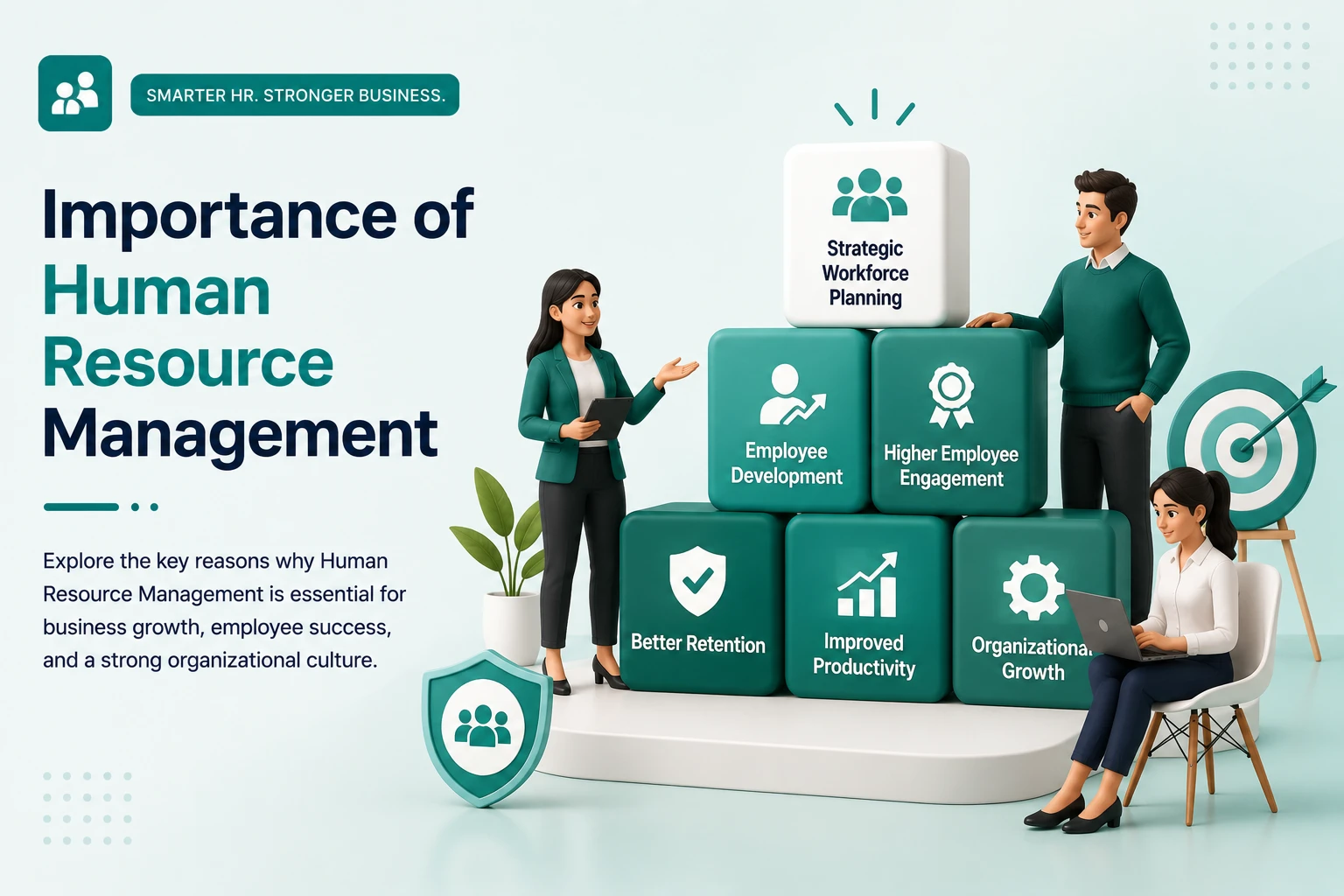
Understanding the Role of HRM in Modern Business
Human Resources plays a central role in modern business by aligning talent with strategy amid rapid changes like digital transformation and global competition. Its importance has grown as organizations prioritize employee engagement, retention, and adaptability to drive profitability and innovation.
HR oversees recruitment, development, compliance, and organizational culture, evolving from a primarily administrative function to a strategic partner. In today’s landscape, HR utilizes data analytics and AI to forecast needs and improve decision-making, directly impacting revenue through optimized workforces.
The department earns its “backbone” status by mitigating risks, fostering diversity, and enhancing productivity. Companies with strong HR practices experience up to 2.5 times higher revenue growth. HR acts as the bridge between leadership’s vision and employee execution, ensuring organizational resilience in volatile markets.
The Importance of HRM That Powers Every Business
Managing an organization’s most valuable asset, its employees, is key to creating an environment where people can grow, develop, and truly thrive. With the right HRMS software, you can streamline every process, from recruitment to retention and beyond.
The value of effective people management becomes clear when businesses realize how it strengthens operations, culture, and performance. Strong employee management directly impacts the bottom line by reducing turnover, boosting productivity, and enhancing the employer brand. By focusing on the right strategies and tools, HR can evolve from a supportive function to a competitive advantage, driving both employee satisfaction and business growth.
Key Focus Areas:
- Attracting and hiring the best talent
- Developing and engaging employees
- Managing performance and productivity
- Ensuring compliance and reducing risk
- Building a strong workplace culture
Why HRM is Essential for Organizations
People management has evolved into a strategic function that adds immense value to modern organizations. No longer just an administrative department, it has become the backbone of organizational success by overseeing the most critical asset: the workforce.
- Talent Management and Performance: Effective management ensures organizations attract, develop, and retain the right talent, directly improving employee productivity and overall performance.
- Cost Efficiency: Labor costs can account for up to 70% of total company expenses. By reducing turnover costs (which can range from 50-120% of an employee’s annual salary) and improving operational efficiency, organizations often see a 150-300% ROI from implementing strong people management systems within just 1-2 years.
- Legal Compliance: Effective management ensures compliance with over 180 labor laws, protecting organizations from costly fines, penalties, and legal risks.
- Employee Retention: By offering career development opportunities, recognition programs, and supportive policies, organizations can reduce turnover and retain valuable institutional knowledge.
- Positive Work Culture: People management fosters engagement, wellness, and diversity initiatives that boost morale, motivation, and workplace relationships.
- Strategic Planning: Data-driven HR analytics help organizations make informed decisions about workforce needs, resource allocation, and long-term strategy.
Key Areas Where HRM Impacts Business
Human Resource Management profoundly influences business success by optimizing workforce potential, ensuring compliance, and aligning talent with strategic goals. Effective drives productivity, reduces turnover, and enhances financial outcomes like profits and market share.
Talent Acquisition:
HRM streamlines recruitment and selection to attract skilled talent, reducing hiring costs and time-to-fill positions. Proper onboarding helps new hires adapt quickly to organizational processes and culture, boosting early productivity and improving retention rates.
Employee Development:
Training and development programs build employee skills, fostering growth and adaptability to business needs. This alignment motivates staff, improves performance, and lowers churn by creating a culture of continuous learning.
Performance Management
People management systems track goals, provide feedback, and reward contributions, directly linking individual efforts to organizational objectives. This approach enhances overall productivity, collaboration, and service quality.
Employee Relations
A key focus is mediating conflicts, promoting open communication, and cultivating inclusive cultures to build trust. Support for employee well-being includes mental health resources, flexible policies, and engagement surveys designed to reduce burnout and increase satisfaction.
Compliance and Culture
Ensuring legal compliance, managing risks, and promoting positive work environments are essential roles. This includes offering mental health support to combat burnout. A strong organizational culture can reduce turnover by up to 68% and contribute to better strategic decision-making.
The Impact of HRM on Employee Satisfaction and Productivity
HRM profoundly shapes employee satisfaction and productivity through targeted practices that build engagement and fulfillment. By prioritizing training and development, organizations empower workers with essential skills, fostering a sense of growth that elevates motivation and output. Studies link these initiatives to significantly higher job satisfaction levels.
Performance feedback mechanisms further amplify this impact, as regular reviews and recognition clarify goals while celebrating contributions, directly correlating with reduced disengagement and boosted efficiency. Fair compensation structures and rewards reinforce commitment, minimizing turnover and driving teams toward peak performance with up to 65% greater satisfaction reported in supportive environments.
Ultimately, HR-led engagement efforts cultivate wellbeing and innovation, slashing absenteeism while enhancing adaptability and customer service quality for lasting productivity gains.
The Future of HRM in Business
The future of HRM evolves through AI, flexible work, and sustainability, reshaping business practices. AI enhances recruitment by matching candidates via skills, anonymizing profiles to cut bias, and standardizing interviews for fairness. Predictive analytics forecasts turnover using engagement and performance data, enabling 25-30% attrition reductions via targeted plans at firms like IBM.
HR manages virtual teams with communication tools, check-ins, Asana tracking, feedback, and mental health support. Hybrid policies adapt eligibility, cybersecurity, equipment, and handbooks based on feedback for inclusivity.
Green HRM promotes eco-policies like sustainable hiring, energy training, low-carbon incentives, remote work emissions cuts, and CSR integration in appraisals. It boosts ESG alignment, reputation, and team motivation.
Challenges Faced by HRM in Modern Businesses
Modern businesses are challenged with globalization, tech shifts, and compliance demands.
- Globalization and Diversity: HR faces hurdles managing cross-cultural teams via language barriers, time zones, collaboration gaps, and trust issues in global workforces. Cultural sensitivity training builds awareness, reduces conflicts, improves communication, and fosters inclusion for diverse teams. These efforts promote respect, engagement, and retention across borders.
- Tech Advancements: Digital transformation pressures with AI integration into systems, data silos, skill gaps, and resistance to automation in recruitment self-service tools. Upskilling addresses future jobs through modular training, e-learning partnerships (Coursera/Udemy), and continuous learning cultures for AI readiness. HCM platforms automate onboarding and personalize development to cut costs and boost productivity.
- Legal/Compliance Issues: HR navigates complex employment laws like FMLA, taxes, and garnishments by identifying obligations and adapting policies globally. Data privacy demands protect sensitive information amid cyberattacks, remote work, and regulations via secure measures against human error. Robust strategies ensure ethical standards and trust.
What are the Benefits of Human Resource Management?
Human Resource Management is essential to building a strong, engaged, and productive workforce. When implemented effectively, it delivers measurable benefits that directly impact employee satisfaction, operational efficiency, and long-term business success. The importance of HRM is reflected in its ability to align workforce performance with organisational goals.
- Attracts and retains top talent
- Increases employee productivity and performance
- Reduces employee turnover and recruitment costs
- Ensures legal compliance and reduces risk
- Improves workplace culture and employee satisfaction
- Streamlines HR processes and saves time
- Provides clear career development paths
- Enhances organisational reputation and employer brand
- Increases employee engagement and loyalty
- Supports strategic business goals and growth
- Minimises workplace conflicts and grievances
- Enables data-driven HR decisions
Recruitment and Selection: The Importance of HRM in Building the Right Team
Recruitment is one of the most visible aspects of hr tools. A business can only thrive if it has the right talent in the right roles. HR professionals are responsible for designing job descriptions, sourcing candidates, conducting interviews, and selecting individuals who fit both the skill requirements and the company culture. The importance of this is evident here, as strategic hiring ensures long-term stability and better workforce alignment.
A strategic recruitment process reduces turnover, minimises hiring costs, and ensures that employees contribute meaningfully to the organisation’s growth. Additionally, uses modern tools such as Applicant Tracking Systems (ATS) and AI-driven recruitment to streamline hiring processes and improve efficiency.
Why HRM Is the Driving Force Behind Business Success
Human Resource Management is the driving force behind every successful business. Managing an organisation’s most valuable asset, its people, creates a workplace where employees can grow, perform, and stay committed. With modern HRMS software, companies can automate routine tasks, streamline HR processes, and focus more on strategic decision-making.
Effective HRM boosts productivity, reduces turnover, strengthens culture, and ensures legal compliance. It supports recruitment, training, performance management, onboarding, offboarding, and conflict resolution, building a motivated and high-performing workforce. With tools like HR analytics, ESS portals, and digital record-keeping, HR teams gain efficiency and deeper insights into workforce needs.
In a fast-changing business environment, strong practices help organisations stay competitive, productive, and future-ready. When you invest in your people through effective leadership, you build a stronger business, because when employees grow, the organisation grows even faster.
📌 Frequently Asked Questions (FAQs)
We're Here to Help - Let's Talk
Have questions about our solutions, customization services, or business tools? Our team is here to help you. let's talk.